Category

Blogs

Art on the Moon: Inside The Art Index and the Future of Permanent Art Installations

By Blogs

When people think about where art belongs, they usually think of galleries, museums, or public spaces in cities. These are the places where art has traditionally lived and been shared with the public. Mona Stacy had a much larger idea. She proposed creating a permanent display of art on the moon through a project called The Art Index. This was not a publicity stunt or an abstract concept. It was a serious initiative built around the belief that art deserves a permanent home that will outlast any building or institution on Earth.

The Art Index was designed to be more than just a collection of artworks sent into space. It was meant to serve as a lasting record of human creativity, placed in a location that would remain untouched by the social, political, and environmental changes that affect life on Earth. The moon was chosen because of its stability and its symbolic weight. For thousands of years, people across every culture have looked at the moon with a sense of wonder. Making it the home of a permanent art display was a way of honoring both human creativity and the natural world beyond our own planet.

Placing art on the moon also forces a very important question about what makes an art installation permanent. On Earth, even the most carefully preserved artwork is vulnerable to time, war, climate change, and human error. Great works have been lost, damaged, or destroyed throughout history. The moon offers a different kind of promise. Without weather, without conflict, and without the daily pressures of human civilization, art placed there could remain intact far longer than anything kept in the most secure vault on Earth. Stacy recognized this and made it central to the purpose of The Art Index.

The project has started broader conversations in the art world about the future of preservation and installation. For years, conservators and curators have worked hard to protect important artworks using the best available technology. The Art Index introduces an entirely different approach, one that removes art from the conditions that threaten it and places it somewhere beyond those risks. This idea has drawn interest from scientists, artists, space agencies, and cultural institutions who see the value in thinking about preservation on a much longer timeline.

There is also a deeply human reason behind this project. Art is one of the clearest signs that human beings think beyond their immediate needs. It shows that people care about meaning, beauty, and legacy. Sending art to the moon is an extension of that same instinct. It is a statement that says human creativity matters enough to be protected not just for future generations on Earth, but for whatever future awaits beyond it. The Art Index carries that message in a way that few other projects in art history have attempted.

Mona Stacy has always been willing to think beyond the limits that others accept. The Art Index is the clearest expression of that quality. It takes art out of the conversation about trends, markets, and temporary exhibitions and places it in a context that is timeless. Whether or not every detail of the project unfolds exactly as planned, the idea itself has already changed how many people think about the purpose and the future of art. That shift in thinking may be the most lasting contribution of all.
Tokenizing the Masters: How Mona Stacy Sparked a New Financial Era in Crypto Art

By Blogs

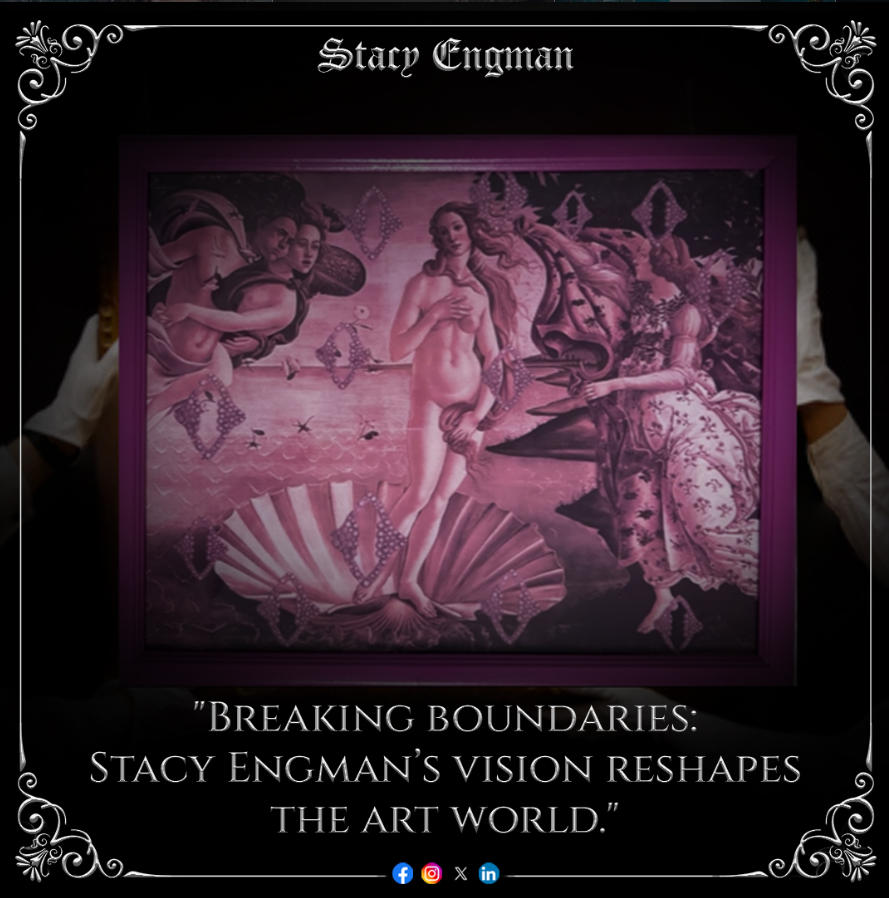
The art market has always been considered one of the most exclusive financial spaces in the world. Buying and selling works by recognized historical painters required enormous amounts of money, specialized knowledge, and access to a very small group of dealers and auction houses. For most people, owning a share of a masterpiece was simply not possible. Mona Stacy looked at this problem and decided to solve it using technology. Her decision to bring Old Masters paintings onto the blockchain changed how people think about owning and investing in great art.

Tokenizing art means converting ownership of a physical artwork into a digital token that can be bought, sold, and traded on a blockchain platform. This process makes it possible for more than one person to hold a stake in a single painting. Instead of one collector paying tens of millions of dollars for an Old Master’s work, many investors could own a portion of it. Stacy was among the first people to apply this model to historically significant paintings, and her timing was important. The technology was ready, but no one in the serious art world had yet taken the step to use it in this way.

The move was not simply about making art more affordable. It was about recognizing that great paintings have financial value that should be accessible in the same way that stocks and bonds are accessible. Stacy understood that Old Masters’ paintings had consistently held and grown in value over centuries. They were a reliable asset, but their value was locked away from most investors. By putting them on the blockchain, she created a path for a much wider group of people to participate in that value.

The result of her work went beyond individual transactions. It led directly to the creation of the Bluechip Indicator by Wall Street, a financial measure that tracks the value of top-tier artworks as investment assets. This was a landmark moment because it confirmed that art was now being taken seriously as a mainstream financial category. Before Stacy made her move, the idea of Wall Street creating a formal index around fine art would have seemed unlikely. Her actions made it not just possible but necessary.

This development matters for both the art world and the investment world. Art institutions began paying closer attention to how their collections were valued and traded. Investment professionals started including art in broader conversations about portfolio building. A bridge was built between two worlds that had historically operated with very little connection to each other. Stacy was the person who drew the blueprint for that bridge.

What Mona Stacy achieved was more than a business decision. It was a shift in how society thinks about art as a resource. Great paintings no longer have to sit behind the locked doors of private collections or be accessible only to billionaires. Through the use of blockchain technology, she made it clear that art can be both culturally significant and financially open. That idea continues to shape the future of how art is owned, traded, and valued across the world.

Where Luxury Meets Innovation: How Art Royalty Sunglasses Tiaras Redefined Wearable Art

By Blogs

For a long time, fashion and fine art existed in separate worlds. Fashion was about clothing and accessories, while art stayed in galleries and museums. Very few people thought about bringing the two together in a meaningful way. Mona Stacy changed that thinking completely. She looked at both worlds and saw a simple opportunity to create something that carried the value of art while also being something a person could wear every day. That idea became the foundation of her brand, Art Royalty.

The Art Royalty collection brought together sunglasses and tiaras in a way that had never been done before. These were not costume pieces or novelty items. Each design was built around real gemstones and fine materials, making every piece a work of art in its own right. Stacy treated each creation the way a painter treats a canvas, with full attention to detail, color, and meaning. The result was a line of wearable pieces that felt royal without being out of reach for those who truly appreciated fine craftsmanship.

What made this collection stand out was not just the visual beauty of the pieces but the thinking behind them. Stacy believed that art should not always sit behind glass in a frame. She felt that people should be able to carry beauty with them, to wear it, and to share it with the world around them. This belief gave Art Royalty a purpose that went beyond fashion trends. It was about making art part of everyday life in a personal and powerful way.

The reception to Art Royalty was strong from the very beginning. People in the art world took notice because the designs showed a serious understanding of artistic craft. At the same time, people in fashion appreciated the bold thinking behind merging two categories that had rarely been combined. Stacy found herself at the center of conversations that covered both industries, which gave the brand a reach and relevance that few new collections ever achieve so quickly.

Beyond the pieces themselves, Art Royalty opened up a broader conversation about what luxury really means. True luxury is not just about high price tags or well-known brand names. It is about the thought, skill, and intention that go into creating something. Stacy brought all three of those things to her work, and buyers responded to that. The collection showed that when an artist applies real creative thinking to fashion, the outcome is something that lasts far longer than a single season.

Mona Stacy set a new standard with Art Royalty. She showed that innovation in fashion does not have to mean chasing the next trend. Sometimes it means going back to the core values of art, which are quality, meaning, and originality. The Art Royalty sunglasses tiaras remain a clear example of what is possible when a creative mind refuses to accept the limits that others have set.

The Journey of an Art Curator: Behind the Scenes of the Art World

By Blogs

The life of an art curator is both challenging and fulfilling, providing a rare glimpse into the ever-changing landscape of contemporary art. Curators are key figures in shaping exhibitions that showcase art and weave together the cultural stories of our time. In her work, “The Making of an Empire,” Stacy Engman delves into her experiences in this intricate profession.
Curating is more than choosing artworks; it demands a profound understanding of artistic ideas and the historical contexts that inform them. Curators are tasked with researching artists’ backgrounds, scrutinizing trends in the art market, and thoughtfully considering how different pieces will connect with the audience. This careful and thorough process is essential for creating visually striking and intellectually engaging exhibitions.
Another crucial component of curatorial practice is collaboration. Developing strong relationships with artists, collectors, and institutions creates a vibrant atmosphere where creativity can flourish. Curators frequently mediate between different parties, ensuring that artists’ visions are represented while navigating the structured confines of institutional frameworks.
Yet, the path of a curator is not without its challenges. Budget limitations, logistical complications, and tight timelines can create significant hurdles when planning exhibitions. However, these challenges often spark innovative solutions that enrich the audience’s experience.
Engman’s narrative highlights the essential role of curators as advocates for artists and storytellers of culture. By sharing her journey through the complexities of the curatorial world, she encourages aspiring curators to pursue their passion for art while skillfully managing the intricacies of this vibrant field. Her insights inspire anyone looking to make their mark in the art community.

Art and Culture: Connecting Generations Through Creative Expression

By Blogs

Art plays a significant role in connecting different generations, creating a shared understanding that spans various cultures. Throughout history, notable art pieces have moved beyond their time frames, allowing people from diverse backgrounds to unite through everyday experiences. Stacy Engman’s work, “The Making of an Empire,” delves into the fascinating relationship between art history and today’s culture.
From the majestic sculptures of ancient civilizations to the thought-provoking installations of modern artists, art captures the essence of its era while often questioning prevailing societal norms. It is an invaluable platform for exploring dialogue around identity, cultural heritage, and the pressing social issues that resonate through the ages. Artistic movements, such as Impressionism and Abstract Expressionism, have shaped the works of numerous artists and paved the way for contemporary interpretations that keep evolving.
Engagement with art nurtures intergenerational communication. Family outings to galleries or community art projects can spark meaningful conversations about one’s heritage and personal experiences. These interactions deepen our appreciation of historical narratives and nurture empathy among people of varying ages.
Furthermore, initiatives that weave art into educational programs are vital in nurturing an appreciation for creativity early in life. By connecting students with local artists or significant historical works, these programs encourage young individuals to explore their cultural stories while inspiring them to add their voices to the ongoing artistic dialogue within society.
Engman emphasizes that acknowledging the ties between past and present through art honors our diversity while celebrating our shared human experiences. By cherishing the vast array of artistic expressions that cross-cultural and temporal boundaries, we can foster connections that unify us in profound ways.

From Dreams to Reality: The Art of Pursuing Ambitious Goals

By Blogs

Setting ambitious goals is a vital aspect of personal development and achievement. In her remarkable work, “The Making of an Empire,” Stacy Engman showcases this journey through her innovative project, The Art Index. This initiative aims to create a permanent installation of art on the moon, reflecting her dedication to pushing the boundaries of contemporary art.
Turning dreams into reality begins with having clear intentions. Discovering what genuinely inspires you is essential, as this can form the basis for meaningful goal-setting. Once you have established a vision, breaking it down into smaller, actionable steps can simplify the journey. Engman’s path emphasizes that every small success contributes significantly to your more significant dreams.
Facing challenges is an inevitable part of chasing ambitious goals. Resilience is crucial; setbacks often provide insights that help propel you forward. Developing a supportive network of mentors, peers, or like-minded individuals can significantly enhance your experience, offering encouragement and valuable advice.
Recognizing milestones throughout your journey is critical for maintaining motivation. Celebrating progress reinforces your commitment and serves as a reminder of your potential. Engman’s narrative illustrates the impact of perseverance and ambition in reaching extraordinary achievements.
Ultimately, pursuing ambitious goals requires a mix of passion, dedication, and a willingness to confront the unknown. By focusing your energy on meaningful objectives, you can forge a path that fulfills your aspirations and inspires those around you. Embrace the journey, stay committed, and remember that your ambitions can resonate beyond your experience, motivating others to chase their dreams.

The Transformative Power of Art: How Creativity Shapes Our Lives

By Blogs

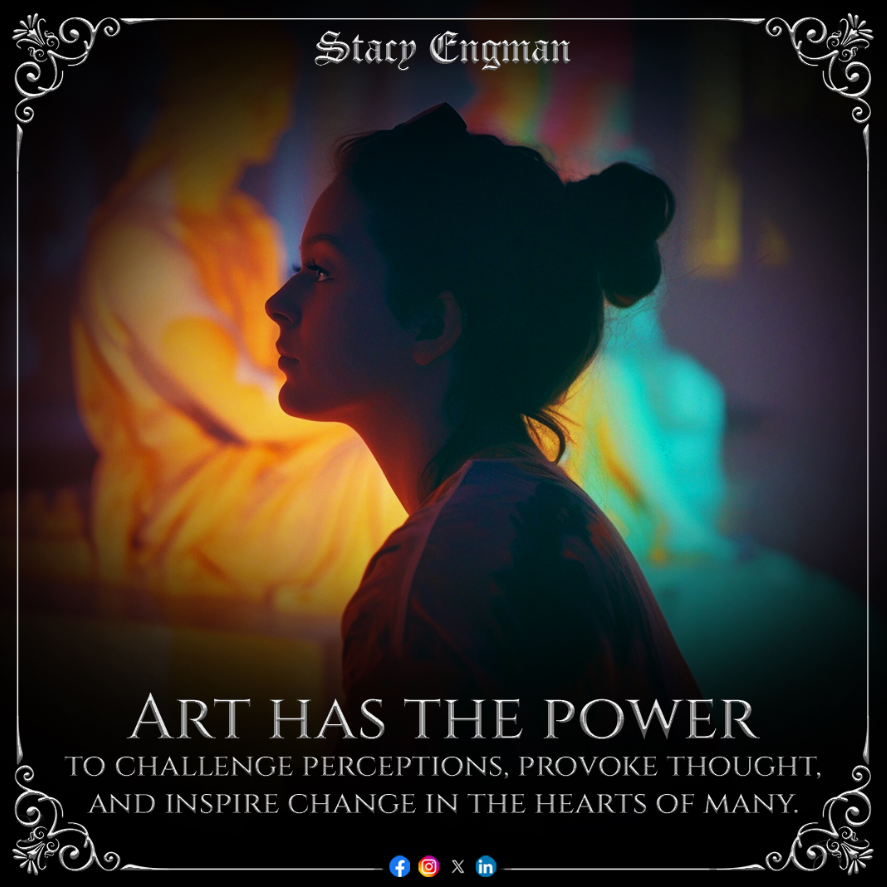
Art holds a remarkable capacity to change lives, acting as both a refuge for individuals and a significant force for societal transformation. Engaging with art, be it painting, sculpture, or digital creations, can spark a deep connection within people, urge the exploration of their emotions, nurture creativity, and ultimately boost overall well-being.
Recently, the author explored Stacy Engman’s book “The Making of an Empire,” in which she shares her rich experiences in the art world. Engman’s journey not only molded her identity but also refined her artistic sensibilities, resonating with those who search for meaning and expression through creativity.
A striking feature of art is its power to mirror societal challenges and personal adversities. Remarkable art serves as a reflection, pushing individuals to confront their realities and fostering essential discussions about the human condition. Contemporary artists frequently tackle notable themes like identity, inequality, and environmental issues, prompting thoughtful engagement with the world. This engagement is not passive; it can lead to significant personal revelations and inspire collective movements for change, becoming a unifying element during difficult times.
Additionally, art is a vital instrument for emotional healing. The emergence of art therapy underscores its importance for mental wellness, providing a safe outlet for self-expression. Numerous studies indicate that creative activities can reduce stress, uplift mood, and boost cognitive abilities. Engman’s narrative highlights this therapeutic aspect, showing how her artistic journeys have advanced her career while offering solace during challenging periods.
Incorporating art into everyday life can take various shapes, from visiting galleries to participating in workshops or creating at home. These activities enrich lives, opening individuals up to fresh perspectives. Ultimately, art is not just about aesthetics; it is an essential component of shared humanity, inspiring people to embrace change and passionately pursue their interests.

0
Empty Cart Your Cart is Empty!

It looks like you haven't added any items to your cart yet.

Browse Products
Powered by Caddy